
How Event Staff Manage Crowd Flow
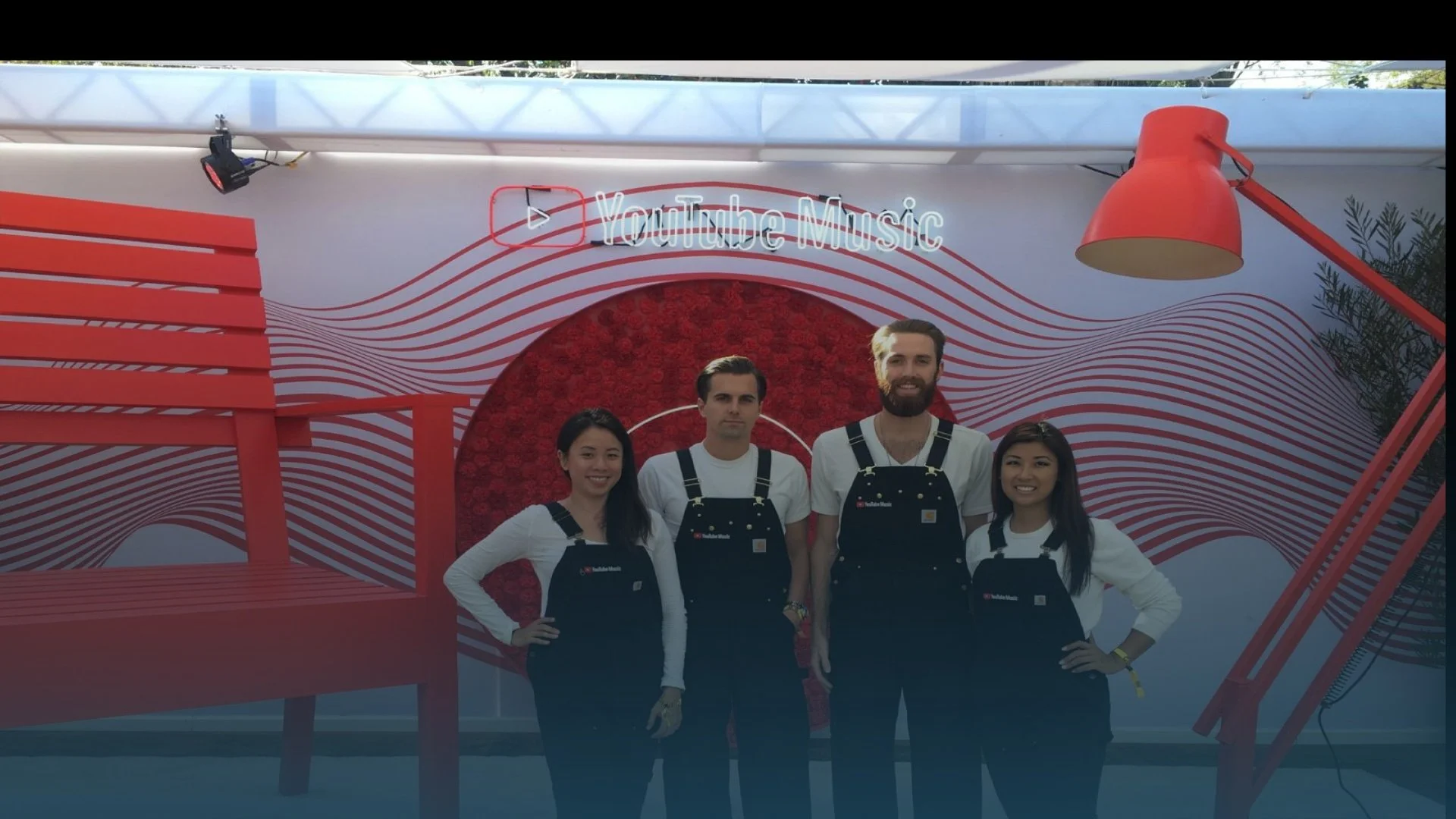
Custom experience stations attract attention quickly because they combine visual design, interactive technology, and live participation within concentrated physical spaces. As experiential marketing environments become more immersive, brands increasingly depend on event staff to regulate movement patterns around activations in order to maintain engagement quality and operational efficiency. Crowd flow management now functions as a core operational discipline within experiential marketing because poor traffic control directly affects attendee satisfaction, dwell time, and overall brand perception.
Creating Structured Entry Points Around Activations
Crowd flow begins influencing attendee behavior before guests physically enter an activation because people make rapid judgments based on what they observe from a distance. When attendees see confusion, overcrowding, or inconsistent movement around a station, they often avoid approaching altogether because the experience appears inaccessible or disorganized. Event staff reduce this friction by creating visible pathways and structured entry points that make the activation feel approachable. Staff members positioned around the perimeter often engage guests before they reach the station itself, which spreads audience density more evenly across the footprint and prevents clusters from forming at a single entrance. This approach improves movement consistency because attendees receive direction before congestion develops.
How Staff Positioning Influences Audience Movement
The physical positioning of staff members also shapes how attendees navigate the experience because body language and spatial orientation influence crowd behavior subconsciously. Staff who stand directly in front of entrances create hesitation and obstruction, while staff positioned at slight angles naturally encourage forward movement into the activation. This strategy matters particularly at trade shows and festivals where attendee traffic remains continuous and unpredictable throughout the day. Event teams often study traffic flow patterns before activations begin because understanding likely congestion points allows staff to manage movement proactively instead of reacting after bottlenecks emerge. Large-scale experiential campaigns frequently allocate specific staff members to traffic monitoring roles because maintaining movement efficiency protects the pacing of every interaction occurring within the station.
Managing Queues Without Reducing Engagement
Queue management presents another operational challenge because long visible lines reduce spontaneity and discourage participation. Experiential activations rely heavily on emotional energy and perceived accessibility, which means attendees respond negatively when interactions appear slow or overly transactional. Skilled event staff therefore avoid rigid queue systems whenever possible and instead create engagement layers around the activation. While one group participates directly, other attendees might receive product demonstrations, engage with secondary touchpoints, observe branded content creation, or interact with roaming staff members. This structure reduces perceived waiting time because guests remain engaged throughout the process instead of standing passively in line. The strategy also protects the energy surrounding the activation because movement and conversation continue even during periods of high demand.
Coordinating Multi-Step Experience Stations
Many modern experience stations involve multiple interaction stages, which increases the importance of structured crowd management. Guests often move through registration areas, product customization zones, demonstration stations, content capture sections, and giveaway exits within one activation. Without operational coordination, these layered experiences create internal congestion that slows interaction pacing and weakens attendee engagement. Event staffing teams address this issue by dividing the activation into operational zones managed by dedicated personnel. One staff member might oversee guest check-in while another controls the product interaction area and another manages the exit transition. This segmentation improves efficiency because each staff member focuses on maintaining movement within a specific area rather than attempting to control the entire activation simultaneously. The result is smoother attendee progression and fewer interruptions between engagement stages.
Real-Time Communication During Peak Traffic
Communication between staff members remains critical during high-traffic periods because experiential environments rarely maintain steady attendance patterns throughout the day. Crowd surges often occur immediately after keynote sessions, entertainment segments, promotional announcements, or social media exposure. Experienced staffing teams rely on constant communication through radios, headsets, or visual signaling systems because real-time coordination allows them to redistribute attendees before overcrowding escalates. For example, if one interaction point begins slowing due to longer participation times, nearby staff members redirect guests toward alternative engagement areas in order to preserve overall movement efficiency. This operational flexibility helps maintain consistent interaction quality even during peak attendance periods.
How Station Design Affects Crowd Management
The design of custom experience stations also affects staffing strategy because physical layouts determine how attendees move within the environment. Stations with narrow entrances, enclosed interiors, or unclear exits create natural pressure points that require additional crowd management support. Open-concept activations create different challenges because attendees gather organically around visible engagement moments, often forming large perimeter crowds that disrupt surrounding traffic flow. Event staff therefore adapt their positioning continuously based on the structure of the installation and the behavior of attendees within the space. Activations involving touchscreens, augmented reality experiences, or social content capture frequently require more active movement regulation because guests tend to pause unexpectedly while engaging with digital features. Staff members monitor these pauses carefully in order to prevent stationary clusters from interrupting movement around the activation.
Why Crowd Flow Shapes Brand Perception
Crowd flow management directly affects brand perception because attendees associate operational quality with the professionalism of the brand itself. Even visually impressive installations lose effectiveness when attendees experience confusion, excessive waiting, or overcrowding during participation. Smooth movement patterns create a stronger emotional experience because guests feel guided, informed, and comfortable throughout the activation. This operational consistency reinforces perceptions of organization, quality, and intentional design. Brands increasingly recognize this relationship, which explains why experiential staffing now extends beyond traditional promotional responsibilities into operational coordination and live audience management.
The Future of Experiential Staffing and Crowd Control
Experiential marketing continues evolving toward larger and more interactive environments, which means crowd flow management will remain a defining component of activation success. Event staff now operate as real-time facilitators who balance engagement, movement, pacing, and audience behavior simultaneously within fast-moving live environments. Their ability to maintain structured movement around custom experience stations determines whether attendees experience the activation as seamless and immersive or chaotic and inaccessible. The most successful experiential campaigns often appear effortless from the attendee perspective, yet behind that smooth experience stands a coordinated staffing team managing every movement decision in real time.
