Why Event Staffing Supports “Try Before You Buy” Brand Strategies
Brands increasingly rely on “try before you buy” strategies because consumers have become more selective about where they spend their attention and money. Digital advertising continues saturating online environments, yet many consumers still hesitate to purchase products they have never physically experienced. Product trial campaigns address this hesitation directly because they allow people to interact with products in real environments before making purchasing decisions. Experiential marketing therefore plays an important role in reducing uncertainty around products by turning passive audiences into active participants.
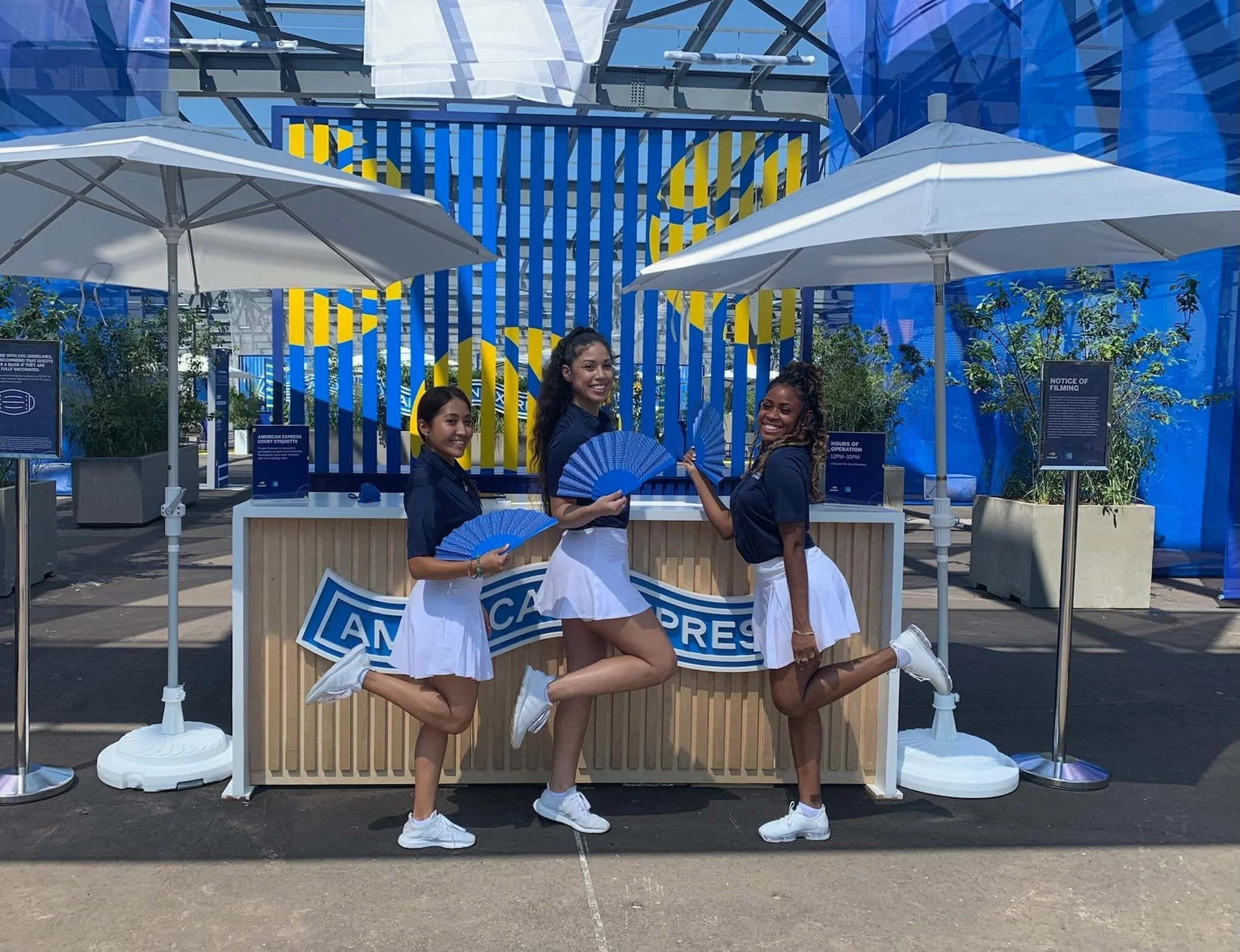
Event staffing sits at the center of this strategy because product trial experiences depend heavily on human interaction. Consumers rarely engage deeply with sampling stations, demonstration booths, or interactive activations without guidance from trained staff members. Event personnel help translate the product experience into meaningful engagement by introducing products clearly, answering questions confidently, and encouraging participation naturally. This support increases the likelihood of trial participation because consumers feel more comfortable interacting with the brand in a live environment.
How Staff Increase Participation at Trial Activations
Many consumers avoid product activations unless the environment feels approachable and organized. Event staff reduce this barrier because they create clear entry points into the experience and actively invite attendees to participate. This matters particularly at crowded trade shows, retail activations, festivals, and pop-up experiences where attendees face constant competition for their attention.
Staff members positioned around the activation often act as engagement facilitators rather than passive brand representatives. Their role involves identifying hesitation, initiating conversation, and helping attendees understand what the experience involves before they commit to participating. This interaction increases participation rates because attendees receive immediate clarity and social reassurance. Product trial campaigns depend on this momentum because higher participation creates stronger brand visibility and larger engagement volumes throughout the activation.
Experienced event staff also understand how to maintain energy around demonstration areas during slower periods. Empty activations often discourage participation because attendees assume the experience lacks value or relevance. Staff members therefore sustain interaction flow by engaging passing audiences consistently and keeping visible activity levels high. This operational consistency helps maintain the perception of demand around the experience.
Creating Guided Product Experiences Instead of Passive Sampling
Modern product trial strategies extend far beyond handing out samples because brands increasingly focus on creating memorable experiences around product interaction. Consumers now expect context, personalization, and education during live brand engagements. Event staff help structure these experiences because they guide attendees through demonstrations in ways that feel conversational rather than scripted.
For example, food and beverage activations often rely on staff to explain ingredients, preparation methods, or usage occasions while consumers sample products. Technology demonstrations require personnel who can guide attendees through features step by step without overwhelming them with technical information. Beauty and skincare activations frequently depend on staff recommendations because attendees seek reassurance before testing products directly on themselves.
These guided interactions matter because consumers retain information more effectively when live explanations accompany physical engagement. Staff members therefore function as experience translators who connect product features to real-world consumer needs. This increases perceived product value because attendees understand not only what the product is, but also why it fits into their lifestyle or purchasing habits.
Why Human Interaction Builds Consumer Trust
Trust remains one of the biggest factors influencing purchasing decisions, particularly in crowded consumer markets where audiences face endless product choices. “Try before you buy” campaigns help reduce skepticism because consumers experience products firsthand instead of relying entirely on advertising claims. Event staff strengthen this trust-building process because live human interaction adds credibility and responsiveness to the experience.
Consumers often ask questions during product trials that cannot be answered through signage or packaging alone. Staff members provide immediate clarification regarding usage, ingredients, functionality, customization, or compatibility. This responsiveness increases confidence because attendees receive personalized answers tailored to their concerns. Live interaction also creates accountability because consumers associate knowledgeable staffing with professionalism and brand reliability.
The conversational nature of experiential staffing also improves emotional engagement. Consumers generally respond more positively to authentic interaction than passive observation because personal conversation creates stronger memory retention. Event staff therefore help brands transform product trials into relationship-building opportunities instead of one-time promotional encounters.
Managing Crowd Flow Around High-Interest Trial Stations
Successful product trial activations often generate heavy foot traffic, particularly when products involve customization, demonstrations, or limited giveaways. Event staffing becomes operationally important in these situations because crowd congestion quickly weakens the attendee experience. Long wait times, unclear participation processes, and overcrowded stations reduce engagement quality and discourage further interaction.
Staff members manage these environments by directing attendee movement, organizing participation order, and maintaining pacing around demonstration areas. This operational control protects both interaction quality and throughput efficiency because attendees continue moving through the activation smoothly even during high-demand periods.
Many staffing teams also divide operational responsibilities into specific zones during complex trial experiences. One group may handle product distribution while another oversees demonstrations and another manages audience flow or registration. This segmentation improves consistency because staff members focus on specialized tasks instead of attempting to manage every operational element simultaneously. The result is a more controlled and professional consumer experience.
How Staffing Supports Data Collection and Lead Generation
Modern experiential campaigns increasingly combine product trials with measurable marketing objectives such as lead capture, audience insights, and post-event follow-up opportunities. Event staff support these goals because they help integrate data collection naturally into the activation experience without disrupting engagement quality.
Staff members often guide attendees through registration systems, loyalty program sign-ups, surveys, or QR code interactions before or after product trials. Their presence matters because consumers respond more positively when data collection feels conversational rather than transactional. Staff can explain why information is being collected, how incentives work, or what attendees receive in return for participation.
This balance between engagement and data collection becomes particularly important in experiential marketing because brands seek measurable outcomes alongside brand awareness. Well-trained event personnel therefore help maintain interaction flow while supporting campaign reporting objectives at the same time.
The Operational Value of Trained Event Staff
“Try before you buy” campaigns often appear simple from the attendee perspective, yet successful execution requires operational coordination behind the scenes. Product inventory must remain stocked, participation flow must remain organized, demonstrations must stay consistent, and attendee questions must receive accurate responses throughout the event. Event staff manage these moving parts continuously because operational breakdowns directly affect consumer perception.
Brands increasingly recognize that poorly trained staffing weakens product trial effectiveness. Inconsistent messaging, low engagement energy, or disorganized execution create negative associations around the product itself. Skilled event staff therefore function as brand ambassadors, operational coordinators, and engagement facilitators simultaneously within live experiential environments.
This operational role becomes even more important as experiential campaigns grow more interactive and personalized. Consumers expect smooth interactions, informed guidance, and efficient participation during live activations. Staffing quality therefore shapes whether product trials feel premium and trustworthy or forgettable and disorganized.
Why Event Staffing Remains Essential to Experiential Conversion Strategies
“Try before you buy” strategies continue growing because consumers increasingly value firsthand experience before making purchasing decisions. Experiential marketing provides brands with opportunities to create direct product interaction, yet those interactions depend heavily on the quality of human engagement surrounding them. Event staff support these campaigns by guiding participation, maintaining operational flow, answering questions, and creating positive emotional experiences around product discovery.
The effectiveness of a product trial activation rarely depends on the product alone. Consumers evaluate the entire experience surrounding the interaction, including the professionalism, clarity, and energy provided by event personnel. Brands that invest in skilled experiential staffing strengthen both engagement quality and consumer trust because attendees leave with stronger product understanding and more positive brand associations.
