
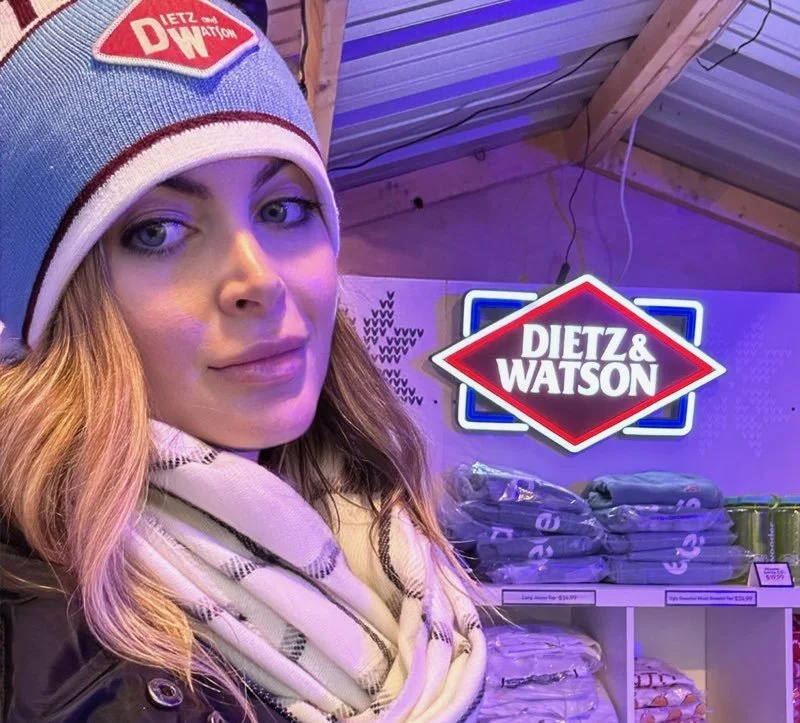
There was a time when influencers mainly promoted brands after an event had finished. They posted photos, shared videos, and gave their followers a glimpse into what they had experienced. While that still happens today, their role has grown into something much bigger.
Many brands now involve influencers before, during, and after an event. They host live broadcasts, interview attendees, reveal new products, guide guests through activations, and create content as the experience unfolds. In many cases, influencers have become part of the event itself rather than simply reporting on it.
This shift is changing the way brands approach experiential marketing. At the same time, one thing has not changed. A successful event still depends on careful planning, smooth execution, and face-to-face interactions that create a positive experience for every attendee. Influencers help tell the story, but the live experience remains the foundation.
Influencers Bring the Audience Into the Event
Not everyone who wants to experience an event is able to attend in person. Influencers help bridge that gap by bringing audiences along through Instagram Stories, TikTok videos, YouTube vlogs, and live streams.
Instead of simply showing a finished event recap, they capture moments as they happen. Followers see product launches, demonstrations, performances, and behind-the-scenes content in real time. As a result, the event reaches thousands, and sometimes millions, of people beyond the venue.
This extra visibility has made influencer partnerships an important part of many experiential marketing campaigns. However, the online audience only sees the finished experience. Behind every successful piece of content is an event that runs smoothly from beginning to end.
The Best Content Starts With a Great Experience
Great content rarely happens by accident. Before an influencer records a video or photographs an activation, they need an environment that supports those moments.
Clear signage helps visitors find experiences quickly. Attractive displays create visually engaging backgrounds. Interactive activations encourage participation. Well-managed queues reduce waiting times, allowing more guests to enjoy the experience without frustration.
When these details come together, influencers naturally have more opportunities to create engaging content. Consequently, the quality of what appears online often reflects the quality of the event itself.
This is one reason brands continue investing in every aspect of the live experience rather than focusing only on social media.
Authenticity Matters More Than Reach
Brands are becoming more selective about who they invite to events. Instead of choosing creators based only on follower numbers, many now prioritise people whose audiences genuinely trust their recommendations.
When influencers enjoy an experience and share honest reactions, the content feels authentic. Followers are far more likely to engage with a genuine recommendation than with a highly scripted promotion.
Because of this, brands increasingly design events that encourage natural interactions. Rather than asking influencers to repeat prepared messages, they create opportunities for real conversations, product demonstrations, and hands-on experiences that allow creators to form their own opinions.
The result is content that feels more believable while strengthening trust between brands and consumers.
Events Are Being Designed With Content in Mind
Walk through almost any modern brand activation and you will notice spaces designed specifically for photography and video.
Eye-catching installations, creative lighting, interactive games, and immersive displays encourage visitors to stop, participate, and capture the moment. Although these features appeal to influencers, they also improve the experience for every attendee.
This is an important shift in experiential marketing. Instead of separating the in-person experience from online content, brands now design both together. Every activation has the potential to engage guests at the venue while also reaching wider audiences through social media.
Even so, creating an event that looks impressive online means little if the experience feels disorganised in person. Guests remember how they were treated, how easy the event was to navigate, and whether the experience matched their expectations. Those moments continue to shape a brand's reputation long after the final post has been shared.
Every Guest Has Become a Potential Creator
Influencers are no longer the only people producing content at events. Thanks to smartphones and social media, almost every attendee has the ability to share photos, videos, and opinions with their own network.
This has changed how brands think about engagement. Rather than creating experiences for a handful of invited creators, they now aim to give every guest something worth sharing.
Interactive challenges, personalised experiences, product demonstrations, and creative installations all encourage user-generated content. As more attendees share their experiences online, the event continues reaching new audiences through authentic recommendations from real people.
Influencers Add Value, They Do Not Replace Human Interaction
As influencer marketing continues to grow, there is sometimes a misconception that digital reach is replacing face-to-face engagement. In reality, the two work best together.
Influencers help attract attention and extend the event's reach beyond the venue. Once guests arrive, however, their experience depends on the people they interact with throughout the day. Friendly greetings, helpful guidance, clear communication, and professional support shape how visitors remember the event.
An influencer might encourage someone to attend, but the quality of the live experience determines whether that person leaves with a positive impression of the brand. Consequently, successful experiential marketing combines digital influence with genuine human interaction instead of treating them as competing strategies.
Long-Term Brand Relationships Begin at Live Events
The most successful events do more than generate social media content. They create relationships that continue after the event has ended.
An attendee who enjoys a product demonstration might become a future customer. An influencer who genuinely connects with a brand may continue discussing it long after the campaign finishes. Likewise, someone who shares their own experience online often encourages friends and family to learn more about the brand.
These outcomes happen because live events create real experiences rather than one-way advertising. Every conversation, demonstration, and interaction contributes to building trust, while social media helps extend those moments to wider audiences.
When brands combine meaningful in-person experiences with authentic online storytelling, they create marketing campaigns that continue delivering value well beyond event day.
Final Thoughts
Influencers have become an important part of the live event experience because they help brands reach audiences far beyond the venue. Through real-time content, behind-the-scenes access, and authentic storytelling, they extend the life of an event and introduce brands to new communities.
However, influencer content is only as strong as the experience behind it. A well-organised event, meaningful guest interactions, engaging activations, and professional execution remain the foundation of every successful campaign. As experiential marketing continues to evolve, brands will see the greatest results when they combine the reach of influencers with exceptional live experiences that give every attendee a reason to remember, return, and share.
Frequently Asked Questions
Why are influencers important at live events?
Influencers help brands extend the reach of live events by creating authentic content that introduces products and experiences to audiences beyond the venue.
How do influencers support experiential marketing?
They create real-time content, encourage audience engagement, increase brand visibility, and generate conversations before, during, and after an event.
Do influencers replace face-to-face interactions at events?
No. Influencers expand an event's online reach, but positive in-person experiences remain essential for building trust, creating memorable interactions, and strengthening brand relationships.
Why is user-generated content valuable for brands?
User-generated content provides authentic recommendations that build credibility, increase online engagement, and extend the impact of experiential marketing campaigns long after the event ends.
