Lead capture at events is where agencies turn foot traffic into a measurable sales pipeline. For event agencies subcontracting staffing, the difference between a good activation and a great one comes down to what your staff do in the first 30 seconds with each visitor, how they capture and qualify leads on-site, and how cleanly those leads move to your client's sales team the next morning. This blog post walks through the staff behaviors, tools, consent practices, and hand-off steps that make lead capture at events repeatable and reportable.
If you sell "we staff nationally" to your own clients, you need a partner who treats every conversation as a potential pipeline entry. Event staffing done right means trained brand ambassadors who know how to qualify, capture, and hand off, without creating paperwork or risk for your agency.
What Lead Capture at an Event Involves
Lead capture at events is a disciplined flow that starts before the doors open and ends when your client's CRM is updated with clean, consented data. Industry guides describe lead capture as the process of attracting relevant prospects, collecting their information, understanding their interests, and moving qualified contacts toward a business relationship.
For agencies, the workflow looks like this. Before the event, you define what counts as a lead, agree on hot, warm, and cold criteria, and brief staff on the qualifying questions. On-site, staff attract visitors, run a 30-second qualifying conversation, capture data with the agreed tool, and tag each lead by intent. After the event, field managers consolidate leads, remove duplicates, attach notes, and deliver a next-morning report your account lead can send before lunch.
The American Express US Open activation is a good example of this discipline at scale. We staffed sponsor footprints where every interaction needed to be captured cleanly and handed off fast, because the client's sales window closed soon after the tournament. The same approach applies even you are running a trade show booth or a multi-market sampling tour.
Qualifying a Visitor in 30 seconds
Your staff do not have minutes with each visitor. They have about 30 seconds to decide if this person should become a hot lead, a warm nurture, or a polite exit. Event marketing experts recommend scoring lead quality during the conversation, not hours later, so sales knows exactly how to follow up. A simple 30-second qualifying script starts with an open that reveals relevance. Ask something like "Have you tried [product] before?" or "What brings you to [event] this week?" This tells you if they are in the target audience. Next, ask one goal question such as: "What's your biggest challenge with [category] right now?" or "What would make this worth your time today?" Their answer reveals intent and gives your sales team something specific to reference in follow-up.
Finish by confirming next-step interest. "Would you be open to a quick demo next week?" or "Can we send you the pricing guide and follow up on Thursday?" Train your brand ambassadors to listen for buying signals like timeline, authority, or specific needs. Those are hot leads. General curiosity is warm. No fit is a polite exit with a giveaway if appropriate.
For agencies, this matters because your client will judge your program by the percentage of hot leads, not total scans. A staff team that qualifies in 30 seconds protects your SOW and your reputation.
Capture Tools, Badge Scans and Consent
The tool you use matters less than how your staff use it. Tablets, QR codes, badge scanners, and custom apps all work when the conversation and consent are handled correctly. In the US, event lead capture is shaped by a mix of federal rules like CAN-SPAM for commercial email, state privacy laws such as CCPA/CPRA in California, and industry best practices that treat clear, documented consent as the safest path for follow-up.
Your staff should capture the minimum viable profile: name, email, company, and one intent tag. Extra fields slow the line and increase drop-off. At trade shows, badge scanners are fast, but staff still need to confirm the best email and add a one-line note about what the visitor asked about. For non-badge events like festivals, campus tours, and pop-ups, a short URL or QR code to a mobile form works well.
Consent is where many programs create risk. A handed-over business card or a scanned badge is not enough on its own if you plan to send commercial email or share data with a client. Best practice is to tell the visitor what will happen with their information and get a clear verbal or digital confirmation before capturing. Something like “I’d like to save your contact details so we can follow up on what we discussed. Is that okay?” recorded with a timestamp in your capture tool, is the kind of documented consent that protects your agency and your client and aligns with CAN-SPAM and state privacy expectations.
ESL's model supports this discipline. Every staff member is a W-2 employee, trained and briefed before deployment, which reduces the risk of inconsistent data capture or missed consent language. For agencies, that means fewer clean-up calls after the event and a cleaner hand-off to sales.
Trade Show Lead Capture: What Changes on a Show Floor
Trade show lead capture has its own rhythm. The volume is higher, the competition is louder, and the window to qualify is shorter. Best practices for exhibitors recommend agreeing on qualification criteria like budget, authority, need, and timeline before the event so booth staff can tag leads in the moment.
What changes on a show floor is the need for speed and structure. Pre-qualify in the aisle by engaging visitors before they reach the counter, asking one or two quick questions so the person at the tablet is only handling final capture. Separate hot and warm lanes so hot leads go to a senior ambassador or account lead for a deeper conversation and scheduled demo, while warm leads get a quick scan and a follow-up slot.
Use badge data, but verify. Titles on badges can be outdated, so a quick "What's the best email for follow-up?" prevents bounced messages later. Tag by product or solution area, because trade show attendees often have specific interests. Interest tags like "Product A" or "Partner Program" make follow-up specific and improve your post-event report.
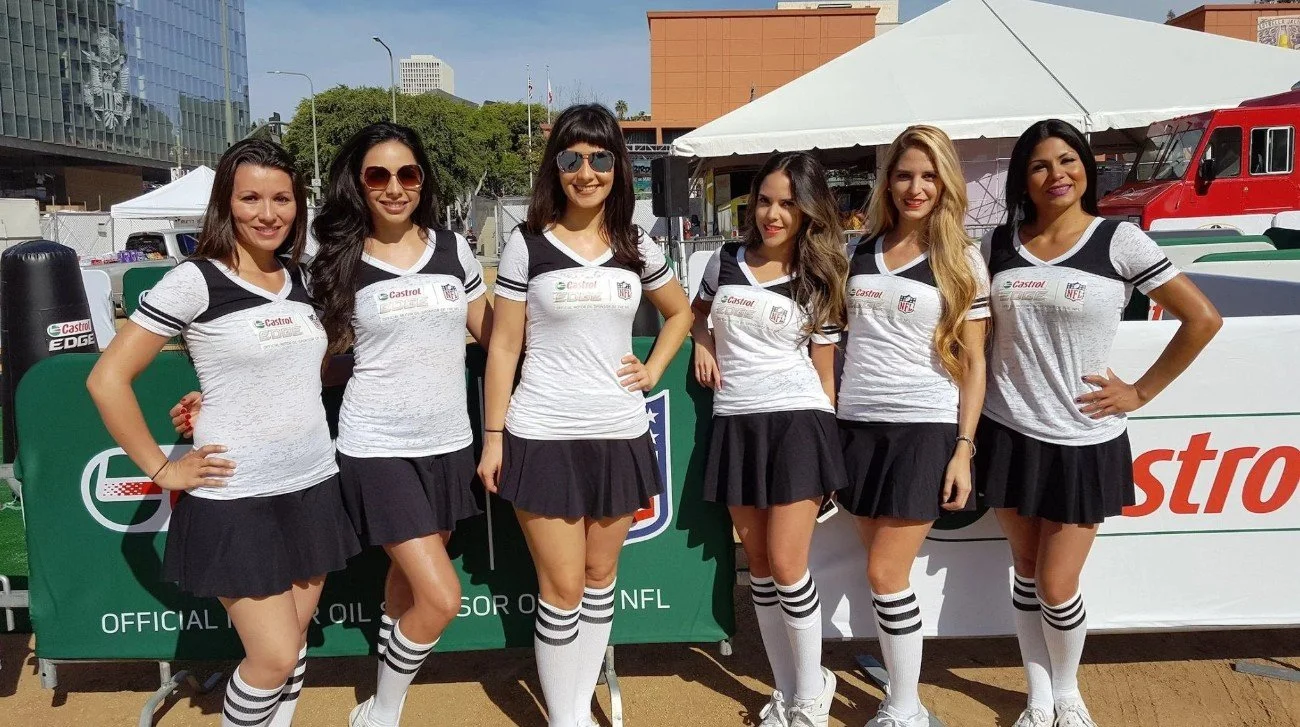
Lead capture at events like this benefits from a field manager on-site. For the Castrol Motor Oil Super Bowl program, ESL ran daily check-in calls and kept field managers embedded so scheduling, routing, and data capture stayed tight across a complex sponsor footprint. The same structure works for large trade shows where your agency cannot afford dropped leads or messy data.
Handing Leads to the Client's Sales Team
The hand-off is where many programs lose value. Your client does not want a raw export. They want a clean, segmented list with notes, consent recorded, and clear next steps. Event lead management guides emphasize building a real handoff that fills out owner, priority, next action, deadline, supporting notes, and CRM status for every qualified lead.
A strong hand-off starts with segmented lists. Hot, warm, and cold leads should be in separate tabs or views, with product or solution tags attached. Add one-line context per lead, such as "Asked about enterprise pricing, Q1 budget" or "Tried sample, wants case studies for healthcare." This helps sales personalize outreach and reference the conversation accurately.
Include a consent flag that shows the lead agreed to be contacted and for what purpose. If your client uses round-robin or territory rules, assign leads before sending the file or CRM import. For agencies, this is where your staffing partner's operations discipline shows up. ESL's field managers consolidate and quality-check leads before delivery, so your account lead is not scrubbing duplicates or guessing at intent. That is the difference between a report your client forwards to sales and one they question.
What to Report the Next Morning
Your client will expect a next-morning report. Make it simple, visual, and tied to the goals you set before the event. Industry playbooks for event lead generation recommend segmenting and scoring what you collected, then personalizing follow-up based on the session someone attended, the question they asked, or the resource they requested.
A standard next-morning report includes total leads captured, broken down by hot, warm, and cold. Add conversion rates showing the percentage of visitors who became leads, and the percentage of leads who were hot. Include top products or topics that drove the most qualified interest, and staff performance notes showing which ambassadors or shifts produced the highest-quality leads so you can replicate that in future programs.
Finish with a follow-up plan that states when sales will start outreach and what the first message will reference. This is the same discipline ESL applied for Castrol's Super Bowl program: daily check-in calls, tight scheduling, and clear reporting so the agency could see what was working in near real time. For your agency, a clean next-morning report turns your staffing program from a cost line into a measurable growth driver.
If you are refining your approach, the Event Engagement post and the 12 Questions post are useful companions to this one. They cover how to measure engagement on-site and what to ask before you hire staff for lead-capture programs. You can also review ESL's case studies to see how these practices play out in real programs.
FAQ
1. How far ahead should an agency book staff for lead capture at events?
For major trade shows and tentpole events, book at least eight to twelve weeks out. ESL starts pre-booking for ESL50 events up to nine months ahead, which ensures trained staff are locked in before travel and housing costs spike.
2. What is the best way to qualify leads quickly on-site?
Use a 30-second script: open with relevance, ask one pain or goal question, and confirm next-step interest. Train staff to tag leads as hot, warm, or cold based on timeline, authority, and specific needs.
3. How do you ensure consent is captured correctly?
Tell the visitor what will happen with their information and get a clear verbal or digital confirmation before capturing. Record when consent was given, what the person consented to, and how they consented, so sales can reference it in outreach.
4. What should a next-morning lead report include?
Total leads by segment, conversion rates, top products or topics, staff performance notes, and a follow-up plan with timing and first-message guidance.
Ready to staff your next lead-capture program? Book lead-capture staff
