
The Difference Between Handing Out Products and Creating Brand Experiences
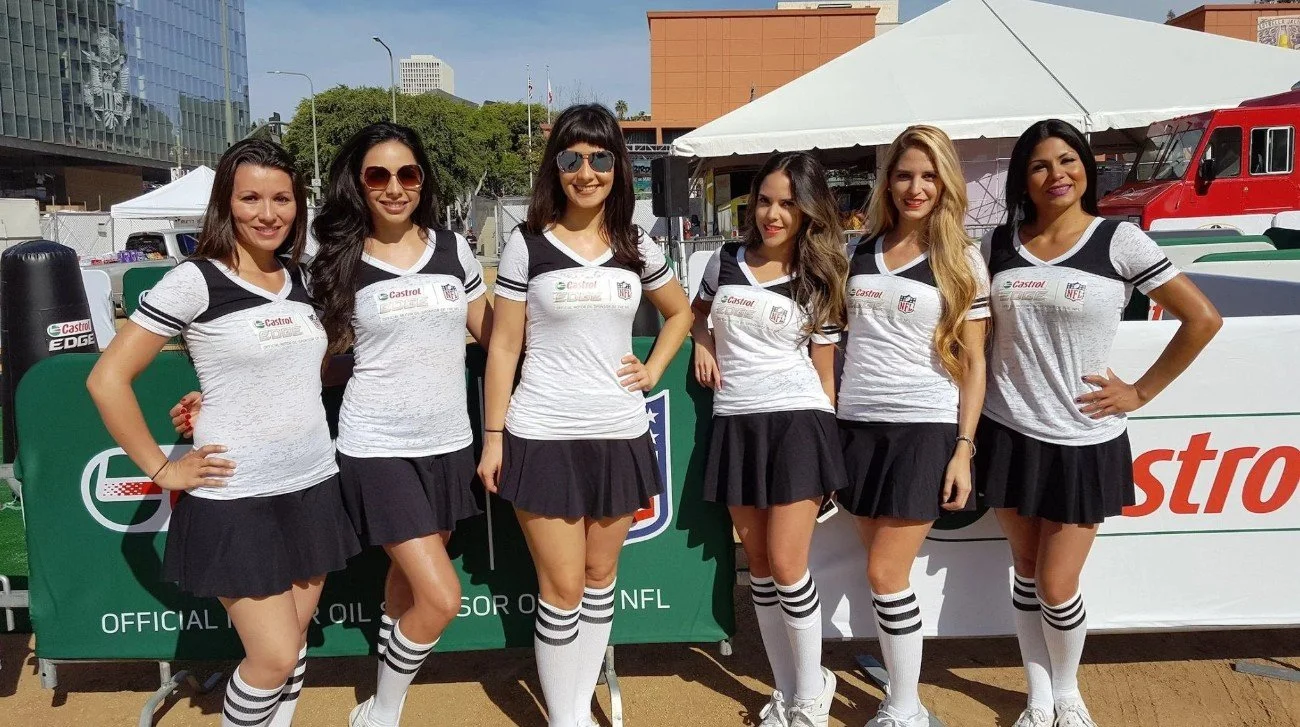
Brands have handed out free products at events for decades. Samples, promotional items, and branded merchandise remain effective ways to introduce products to new audiences. Yet today's consumers expect more than a free item. They want an experience worth remembering.
Experiential marketing has shifted the focus away from simple product distribution and toward meaningful interactions. The product still matters, but the way people receive it often shapes how they remember the brand. A thoughtful activation creates conversation, encourages participation, and leaves a lasting impression long after the event ends.
This is where the difference between handing out products and creating brand experiences becomes clear.
FAQs
What is the difference between product sampling and a brand experience?
Product sampling focuses on giving consumers a product to try. A brand experience combines product interaction with storytelling, engagement, and personal connections.
Why are brand experiences more effective than simple giveaways?
People are more likely to remember an experience that involves participation, conversation, or emotion than a product they received without interaction.
How do event staff contribute to brand experiences?
Professional event staff welcome attendees, explain products, answer questions, manage activities, and create positive interactions that strengthen the overall experience.
Bold First Impressions Shape Every Interaction
The first few seconds of an activation influence how people feel about a brand. If attendees walk past a table where products are simply stacked for anyone to grab, many will take an item and continue walking. The interaction ends almost as quickly as it begins.
A well-designed brand experience creates curiosity before the product even changes hands. Attractive displays, engaging activities, and approachable event staff encourage people to stop, ask questions, and participate.
Instead of acting as distributors, brand ambassadors become hosts. They introduce visitors to the activation, explain the experience, and invite them to engage with the brand in a meaningful way. Those first conversations establish a stronger connection than any giveaway alone.
Participation Creates Stronger Brand Recall
People remember experiences they actively participate in. This is one of the biggest advantages of experiential marketing. Rather than placing products directly into consumers' hands, brands create opportunities for attendees to earn, discover, or experience those products through interaction. This participation might include games, demonstrations, quizzes, product customization, digital experiences, or hands-on activities. Every additional moment spent engaging with the activation increases familiarity with the brand. When attendees invest their time and attention, they often leave with a clearer understanding of what the product offers. The experience becomes part of the product story instead of simply serving as a distribution point.
Event Staff Bring the Experience to Life
Creative activation concepts depend on the people delivering them. Even the most impressive event design loses value if staff members appear disengaged or lack product knowledge. Consumers notice enthusiasm, confidence, and genuine conversation. Experienced brand ambassadors adapt their communication style to different audiences. They answer questions, guide participants through activities, encourage social sharing, and keep energy levels high throughout the event. They also maintain consistent messaging. Every attendee receives accurate product information while still enjoying a natural conversation instead of a scripted sales pitch. This balance builds trust and creates positive brand associations that continue after the activation ends.
Storytelling Makes Products More Memorable
Every product has features. Successful experiential campaigns transform those features into stories. Instead of listing specifications or benefits, brands create experiences that allow attendees to understand the product through interaction. A beverage company might build a summer-inspired environment that reflects the feeling of relaxation. A technology company might create demonstrations that solve everyday problems. A skincare brand might invite attendees to receive personalized recommendations based on their individual needs. These experiences connect products to real situations, making them easier to remember. Event staff play an important role in reinforcing these stories. Their conversations connect the activity with the product's purpose, helping consumers understand why the brand matters.
The Environment Influences Brand Perception
Consumers evaluate more than the product itself. They notice lighting, signage, layout, queue management, music, cleanliness, and staff professionalism. Together, these details shape their perception of the brand. A thoughtfully designed activation encourages movement, creates opportunities for interaction, and keeps attendees comfortable while they participate. Clear pathways reduce congestion, while interactive stations maintain interest throughout the experience. Professional event staff help maintain this environment by greeting visitors, directing traffic, answering questions, and ensuring each interaction feels organized and welcoming. Without these operational details, even strong creative ideas struggle to deliver their full impact.
Meaningful Experiences Encourage Social Sharing
Today's consumers enjoy sharing memorable experiences online. People are far more likely to photograph or film an engaging activation than a simple product table. Interactive installations, creative displays, personalized moments, and entertaining activities naturally generate user-generated content. Every social media post extends the activation beyond the event itself. Event staff contribute to this process by encouraging photo opportunities, helping attendees interact with branded elements, and creating moments people want to capture. This additional exposure increases brand visibility while reinforcing positive experiences among both participants and their online audiences.
Successful Brand Experiences Continue After the Event
The goal of experiential marketing is not simply to distribute products. It is to build relationships. When attendees leave with a positive memory, they are more likely to remember the brand during future purchasing decisions. They may recommend the experience to friends, follow the brand online, or look for the product in stores. Creating these outcomes requires more than attractive displays or generous giveaways. It demands thoughtful planning, strong execution, and skilled event staff who understand how every interaction contributes to the overall experience. As experiential marketing continues to evolve, brands that focus on meaningful engagement instead of simple distribution will stand out in increasingly competitive event environments. A free product might introduce someone to a brand. A memorable experience gives them a reason to remember it.
Key Takeaways
A successful activation involves much more than handing out products. Every interaction contributes to how consumers perceive the brand. When event staff combine product knowledge, genuine engagement, and strong execution with thoughtful experience design, simple giveaways become memorable brand moments. Brands that invest in creating experiences instead of transactions are more likely to build stronger customer relationships, increase brand recall, and generate lasting value long after the event has ended.
