
Where Sports Media Meets Experiential Marketing
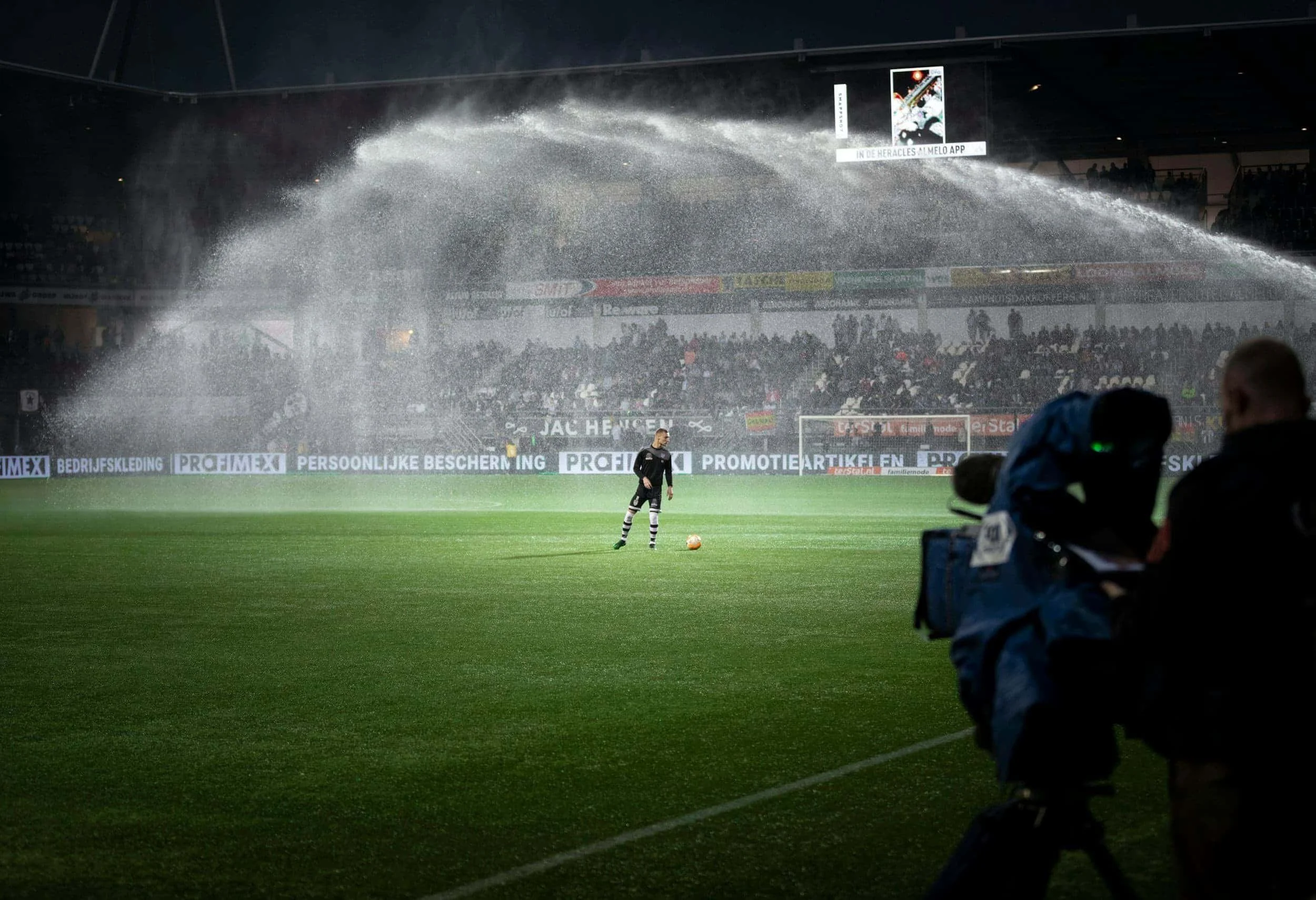
Sports coverage once lived primarily inside television studios or broadcast booths. Fans watched from home while commentators narrated the action from a distance. Today, the boundary between broadcast and live experience has become far less rigid. Experiential marketing often brings sports media into public spaces where fans can participate in the conversation. Temporary studios, fan festivals, and media activations allow audiences to watch live interviews, interact with creators, and sometimes appear in the content themselves. This shift reflects how sports culture operates today. Fans no longer follow sports through a single channel. They move between live broadcasts, social media highlights, podcasts, and short form video commentary. Experiential marketing allows events to connect all of these formats in one place.
Instead of simply watching coverage, fans become part of it.
Turning Sports Coverage into Live Experiences
One approach gaining popularity involves building traveling studios or temporary broadcast environments at sports events. These spaces allow media personalities, analysts, and athletes to host conversations in front of a live audience. Fans gather around the set, watch interviews unfold, and sometimes participate in discussions. Meanwhile, the conversation is recorded and distributed across digital platforms. The experience feels both like a live event and a piece of media production happening in real time. This approach works particularly well because sports fans enjoy the storytelling behind the game. Hearing athletes discuss preparation, watching analysts debate tactics, or seeing influencers react to big moments adds another layer to the sports experience. When those conversations happen live at events, they create a deeper connection between the audience and the media covering the sport.
The Role of Hosts and Conversation Leaders
Another important element in sports media activations is the presence of skilled hosts or moderators. These individuals guide interviews, manage audience interaction, and keep the energy moving throughout the event. In experiential marketing, hosts often function as both presenters and content creators. Their conversations with athletes, influencers, and fans generate clips that spread across social media within minutes. Industry observers note that in a fast paced social media environment, every spoken moment at an event can become shareable content, which makes skilled moderators increasingly valuable. For fans attending the activation, the host brings structure and excitement to the experience. For digital audiences watching online, the host becomes the voice that carries the story beyond the event.
Creating Interactive Fan Environments
Experiential marketing around sports media rarely focuses only on interviews or broadcasts. Instead, organizers build environments where fans can interact with the sport in multiple ways.
These spaces often include interactive games, technology driven challenges, or immersive installations where fans test their own athletic skills. Motion tracking simulators, augmented reality experiences, and interactive displays allow fans to step into the world of the sport itself. These activities accomplish two goals at once. They entertain fans attending the event while also generating highly shareable social content. When participants record their experience or compete with friends, the activation spreads organically online. The experience becomes both a fan activity and a content engine.
Sports Media as a Social Content Hub
The growth of social media has transformed how sports conversations spread. Fans no longer wait for highlight shows or post game analysis. Instead, clips circulate instantly across digital platforms. Experiential marketing taps directly into this behavior. By placing content creators, hosts, and athletes inside a live event environment, organizers create a constant flow of social content. Short interviews, fan reactions, and behind the scenes conversations all become pieces of a larger story that unfolds throughout the event. Each clip invites more fans into the conversation, even if they are watching from thousands of miles away. This approach reflects a broader trend in sports marketing. Engagement now comes not only from watching the game but from participating in the surrounding culture.
Why Experiential Sports Media Continues to Grow
Sports naturally lend themselves to experiential marketing because they already carry emotional investment. Fans celebrate victories, debate strategies, and follow athletes closely throughout a season. When experiential marketing builds on that passion, the results can be powerful. Interactive activations encourage fans to engage with the sport beyond the scoreboard. Media conversations give audiences insight into the personalities behind the game. Social media sharing spreads those moments far beyond the venue. What once existed as separate worlds, sports events, media coverage, and fan interaction, now blend into a single ecosystem. Experiential marketing simply brings those elements together in one place.
Before wrapping up, here are a few common questions that come up around sports media and experiential marketing.
Frequently Asked Questions
What makes sports media activations effective?
They combine live interaction with real time content, which keeps fans engaged and involved.
How do brands benefit?
You get in-person engagement and online reach at the same time through shared content.
What role does technology play?
It adds interaction and drives shareable moments that extend beyond the event.
Key Takeaways
Experiential marketing is changing the way fans engage with sports media, moving them from passive viewers to active participants. Audiences no longer just watch coverage; they take part in conversations, interviews, and interactive experiences that surround the sport. Live hosts and moderators play a key role in guiding these experiences, leading discussions and generating content designed for social sharing. Temporary studios, fan zones, and immersive activations allow sports media to extend beyond traditional broadcast environments into live, public spaces. Technology such as augmented reality, motion tracking, and interactive installations further transforms fans from spectators into participants, creating experiences that are both engaging and shareable. As sports conversations continue to thrive across social platforms, experiential marketing will remain a key way for events to connect live audiences with the broader digital community surrounding the game.
