
How to Match Trade Show Giveaways to Different Audience Segments
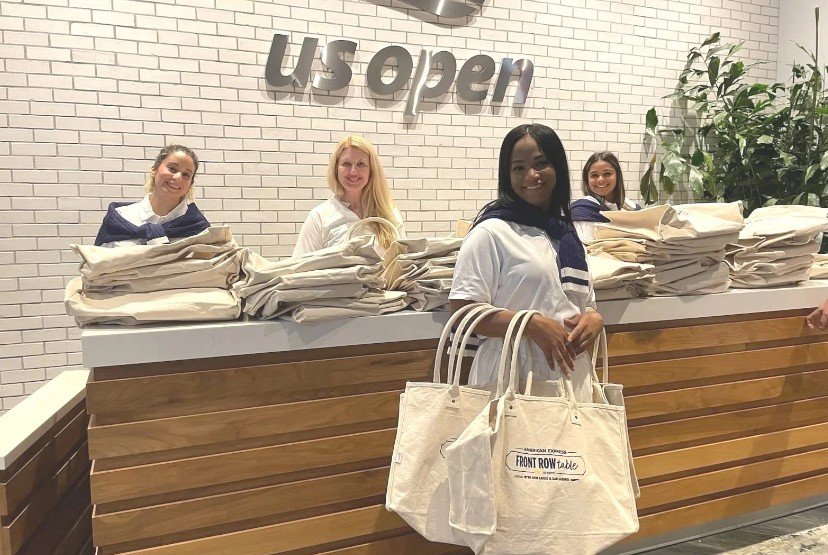
Trade shows bring together a wide range of people, and not everyone who visits your booth has the same needs or intentions. Some attendees may simply be exploring the exhibition floor, while others may be actively comparing suppliers, looking for solutions, or preparing to make a purchase. You may also meet existing clients, business partners, industry influencers, and senior decision-makers.
Because these groups have different expectations, giving every visitor the same promotional item may not deliver the best results. A useful giveaway for a casual attendee may not be appropriate for a qualified prospect or an important client. By matching your trade show giveaways to different audience segments, you can create more relevant interactions, manage your budget effectively, and support your wider event objectives.
Begin With Your Audience
Before selecting your promotional products, consider who you expect to meet at the trade show. Your audience may include general visitors, potential customers, qualified leads, existing clients, business partners, media representatives, and senior executives.
Each group may require a different type of conversation and level of attention. Someone who is casually browsing may only need a simple introduction to your brand, while a qualified prospect may be ready to discuss a specific business challenge. An existing client, on the other hand, may appreciate a more personal gesture that recognizes your ongoing relationship.
Understanding these differences allows you to build a merchandise strategy with purpose. Instead of ordering one product for everyone, you can select items that support different stages of the attendee journey.
Keep General Giveaways Useful
General visitors may only spend a short amount of time at your booth. They may be walking around the show, collecting information, or deciding which exhibitors deserve more of their attention. For this audience, a small and useful product can create a positive first impression without requiring a lengthy interaction.
Simple items such as quality pens, compact notebooks, screen-cleaning cloths, cable organizers, reusable shopping bags, or packaged snacks can work well. The product should be easy to carry because attendees may spend several hours walking around the venue.
The purpose of a general giveaway is to introduce your brand and make it easier to remember. It should not be viewed as a replacement for a meaningful conversation. Your staff can use the product as a natural way to begin engaging with visitors by asking what brought them to the show or what type of solution they are looking for.
This approach makes the interaction feel more welcoming. Instead of silently handing over an item, your team can use the opportunity to learn more about the attendee and decide whether a deeper conversation would be relevant.
Reward Meaningful Engagement
Some visitors will show a stronger interest in your business. They may watch a demonstration, ask detailed questions, explore a product, or discuss a challenge affecting their organization. These attendees have already moved beyond casual browsing, so a more substantial giveaway may be appropriate.
Reusable drinkware, premium notebooks, phone stands, tech pouches, power banks, and branded product kits can provide greater value than basic promotional items. The giveaway can be introduced after the attendee has taken part in an activity or spent time learning about your offering.
For example, a software company might offer a branded charging accessory to visitors who complete a product demonstration. A beauty brand could provide a travel pouch after attendees try a product and speak with a representative. In both cases, the merchandise supports the interaction instead of existing separately from it.
The giveaway should feel like a genuine thank-you for the visitor’s time. Your staff should focus on helping the attendee, not rushing through a checklist simply to justify handing over a product.
Choose Thoughtful Gifts for Qualified Leads
Qualified leads have a stronger connection to your potential sales opportunities. They may fit your target customer profile, have an identifiable business need, or have influence over a future purchasing decision.
For these visitors, consider offering a practical, higher-quality item that reflects the value of the conversation. A laptop sleeve, premium journal, travel organizer, wireless charging accessory, or curated product sample can be more suitable than a basic promotional product.
The timing of the giveaway matters. It may be offered after the lead agrees to a follow-up conversation, requests additional information, books a meeting, or shares useful details about their current needs.
This does not mean the gift should feel like payment for contact information. A better approach is to position it as a gesture of appreciation. Your representative might thank the attendee for discussing their challenge and explain that the company would like them to have the item as a small reminder of the conversation.
When the giveaway is connected to a thoughtful interaction, it can help strengthen trust and make the follow-up more memorable.
Reserve Premium Gifts for Key Decision-Makers
Senior executives and important decision-makers often receive a large number of promotional products at trade shows. A generic item may not stand out, especially when the attendee has limited time and many exhibitors competing for attention.
For key contacts, a premium but practical gift can make the interaction feel more considered. A quality backpack, travel organizer, sophisticated notebook and pen set, premium insulated tumbler, or carefully prepared gift box may be appropriate.
The purpose is not to impress someone with the most expensive product available. The gift should reflect the importance of the relationship and feel relevant to the recipient. Subtle branding and strong product quality are usually more effective than an item covered in oversized logos.
If possible, research important attendees before the show. Understanding their company, role, and business priorities can help your team create a more personal experience. A relevant gift paired with a well-informed conversation is far more valuable than an expensive product handed over without context.
Make Client Gifts Personal
Existing clients should be approached differently from new prospects. They already know your brand, so the goal is to recognize the relationship and create space for a meaningful conversation.
A client gift might include a premium version of the merchandise offered to general visitors, a personalized item, a customer appreciation box, or an early-access product sample. A handwritten note can also make a simple gift feel more personal.
Your event staff should know which attendees are existing customers before the show begins. A warm welcome and informed conversation can have a greater impact than the merchandise itself. The team can ask about the client’s current experience, gather feedback, and explore future needs.
This turns the giveaway into part of a broader relationship-building strategy rather than a routine promotional exchange.
Consider the Needs of Partners
Trade shows are also valuable opportunities to connect with distributors, suppliers, collaborators, and industry partners. These relationships may support your business in ways that are different from direct customer sales, so your giveaways should acknowledge that distinction.
A co-branded product, locally sourced gift, or useful item connected to your shared industry can be a thoughtful choice. For example, two companies launching a joint offering might create merchandise that reflects both brands. A food or beverage company could prepare a curated tasting box for a retail partner.
Before offering gifts to employees of larger organizations, check whether their company has restrictions around promotional products. When there is uncertainty, choose a modest and practical item and place more emphasis on the conversation.
Give Media Contacts Something Memorable
Journalists, creators, and industry influencers may be interested in products that are visually appealing and connected to your brand story. A limited-edition item, attractive sample kit, locally designed product, or customized gift can help create a memorable introduction.
The merchandise should support the news or story you want to communicate. If your company is launching a new product, the gift could feature that product or explain what makes it different. If your brand is focused on sustainability, the packaging and materials should reflect that message.
A visually appealing item may also appear in event photos or social media content, but it should never be used as a substitute for a clear media brief. Make sure your team can explain the product, campaign, and relevant company information.
Train Your Event Staff
A segmented giveaway strategy is only effective when your event staff know how to use it. Before the trade show, explain which products are intended for different types of interactions and how staff should identify qualified leads.
The team should understand when to offer a general giveaway, when to introduce a more valuable item, and when a premium gift should be handled privately. They should also know how to record important details so that sales and marketing teams can follow up after the event.
Segmentation should always be handled discreetly. Visitors should not feel judged or excluded because they received a different product. The focus should remain on creating a relevant and welcoming experience for everyone.
Measure the Results
After the show, review how each type of giveaway contributed to your event goals. Look at the number of booth conversations, demonstrations, leads, QR code scans, scheduled meetings, and follow-up opportunities connected to each audience segment.
Separate QR codes or landing pages can help you track responses from different activities. You can also ask your team which products prompted the most conversations and which items attendees appeared to value.
The most popular product is not automatically the most successful. A low-cost item may help attract general visitors, while a premium gift may support one valuable client relationship. Measure each product against the purpose it was designed to serve.
Create a More Relevant Giveaway Strategy
The strongest trade show giveaway strategy is not built around finding one product that appeals to everyone. It begins with understanding your audience and recognizing that different visitors may need different reasons to engage.
General attendees may appreciate a useful item that is easy to carry. Engaged visitors may respond to a more valuable product connected to a demonstration or activity. Qualified leads, existing clients, partners, and decision-makers may require a more thoughtful and personalized approach.
When your giveaways are matched to the right audience segment, they become more than promotional products. They support conversations, reinforce relationships, and help your brand remain memorable long after the trade show ends.
